Timber Sale Management & Administration
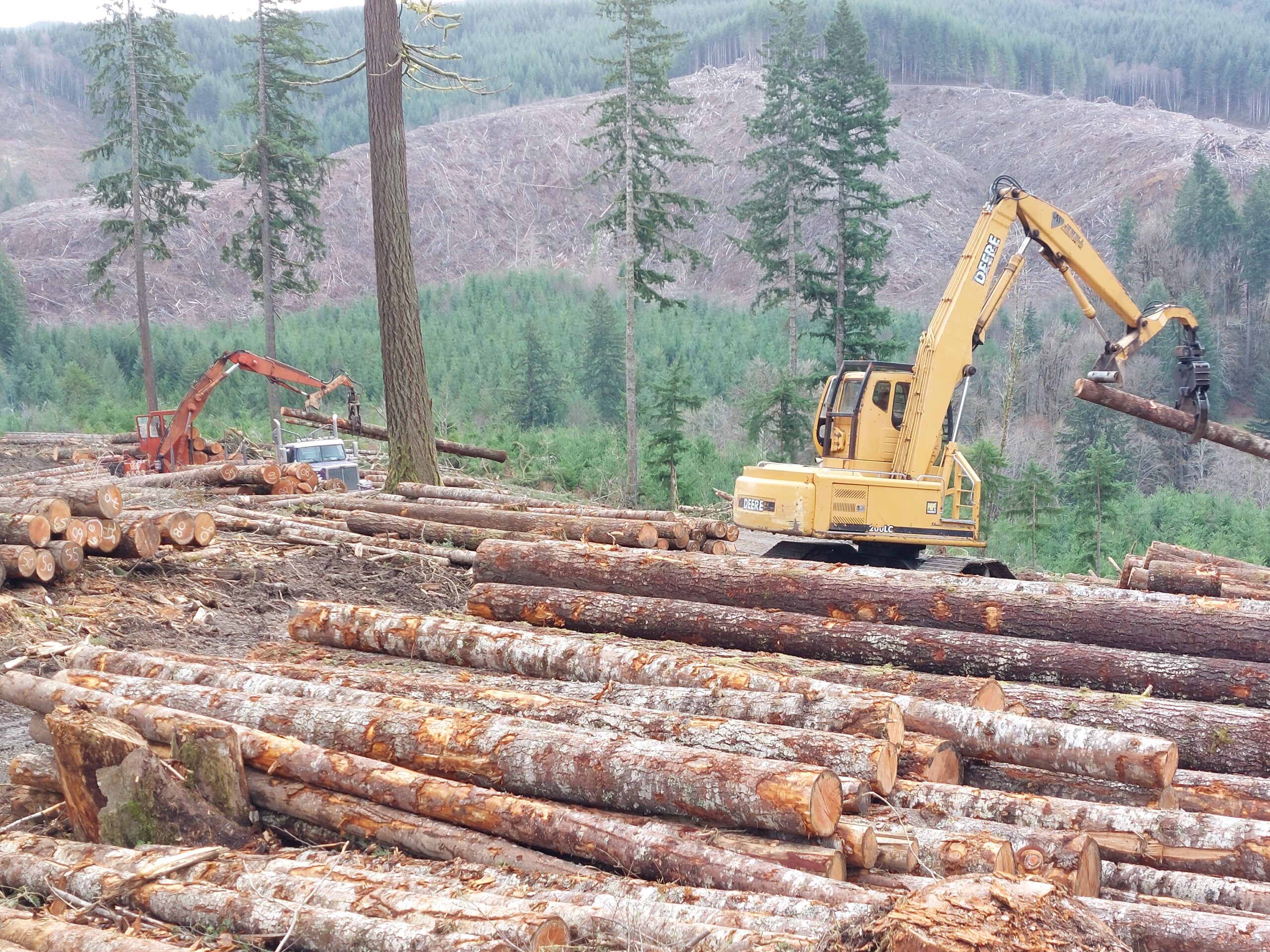
Selling timber is one of the most significant financial decisions a landowner makes, and it is rarely a simple one. We manage timber sales on behalf of the landowner, representing your interests from the first assessment through harvest, the final log load, summary reports and the reforestation that follows.
There’s more than one way to sell timber. A lump-sum sale transfers the standing timber to a buyer for a fixed price, while a per-unit or contracted harvest is paid out as logs are cut and delivered. Each carries a different balance of risk, timing, and return, and the right choice depends on your property, your goals, and the market. We evaluate the options with you, recommend the approach that serves you best, and manage the sale from there, so whichever route you take, you’re operating with professional expertise.
Why It Pays to Work With Us
A 2016 Forest2Market analysis, published through NC State Extension, found that sealed-bid timber sales managed by a consulting forester returned at least 11% more than sales without one. WSU Extension notes that consultants commonly charge 5 to 7% of timber sale proceeds, and that a consultant’s independence is what allows them to pursue the best price and structure contracts that protect the landowner. It also points out that consultants vary widely in expertise, experience, and approach, so it’s worth understanding how any forester works before hiring them.
Many landowners sell timber only once or twice in a lifetime and have no way to know what their logs are worth, so they accept the first offer that comes. As University of Missouri Extension puts it, selling timber without knowing its value is like a livestock producer sending cattle to market without knowing how many he has or their quality.
At Urstadt Land and Timber, we put that same advantage to work for you. We manage your sale to earn a strong return on your timber, protect your soil, water, and residual stand, and leave you well positioned for reforestation and full compliance with forest practice standards. We work solely for the landowner, not the buyer or the mill, and that independence is where much of the value exists.
Sources:
Our Process
Effective harvest management begins with a clear understanding of your goals and the specific conditions of your property. From there, we work through each stage of the sale:
Defining Objectives & Outcomes — We start by clarifying what matters most to you, whether that’s revenue, forest health, habitat, or a combination, and build the harvest plan around those priorities, supported by value estimates for each approach.
Timber Evaluation & Appraisal — We cruise the stand to estimate volume, quality, and market value, giving you realistic expectations and a solid basis for negotiation before anything goes to sale.
Harvest Layout & Mapping — We lay out the harvest in the field, defining reserve areas, sensitive resources, road and landing locations, and drainage needs. Careful layout protects the residual stand and the site, and avoids the degraded roads, soil disturbance, and stream sedimentation that poor planning causes.
Regulatory Compliance & Permits — We prepare and submit the notifications and permits required under the Forest Practices Act, including the maps and protection strategies for streams, wetlands, and reserves that a complete filing requires.
Reforestation Planning — We plan reforestation from the outset, so you understand your obligations and costs early and can secure quality seedlings matched to the site before the nursery supply tightens.
Log Marketing — We maintain active contact with a broad network of buyers to place your logs where they earn the most, comparing revenue across product classes against hauling and production costs rather than defaulting to the most convenient mill.
Contract Formation — We structure a contract that protects the landowner by defining responsibilities, site protections, insurance requirements, and dispute resolution, while giving the contractor a clear, professional scope they can bid with confidence. Clear expectations and open communication set a solid foundation between the parties, bringing capable crews to the table and a competitive price to the landowner.
Selecting a Qualified Logger — With the groundwork complete, we match the job to a capable, dependable operator, weighing skill, equipment, past working relationship, reputation, and availability.
Quality Control & Monitoring — We monitor the operation through regular site visits, enforcing the contract and responding to changing conditions to keep the job on track.
Reporting & Final Accounting — We keep you informed throughout and deliver a full end-of-project accounting of costs and returns, including the documentation needed for harvest taxes and reforestation. On larger sales, we provide interim statements along the way.